
Bitcoin has entered a phase that feels different from the usual short-term pullbacks. The recent drop below the $78,000 level marked more than a routine correction and forced many market participants to reassess their assumptions. Momentum that once relied on steady inflows and confident buyers has weakened, exposing structural fragilities beneath the surface.
For anyone asking why is bitcoin dropping now, the answer lies in a mix of fading demand, changing trader behavior, and technical signals that have been building for months rather than days.
The Breakdown Below $78,000 and What It Signals
The weekend sell-off pushed Bitcoin to its lowest level since April, cutting through a price zone that had previously acted as a psychological floor. This move did not happen in isolation. Liquidity was thinner than usual, and buy-side interest failed to absorb profit-taking pressure.
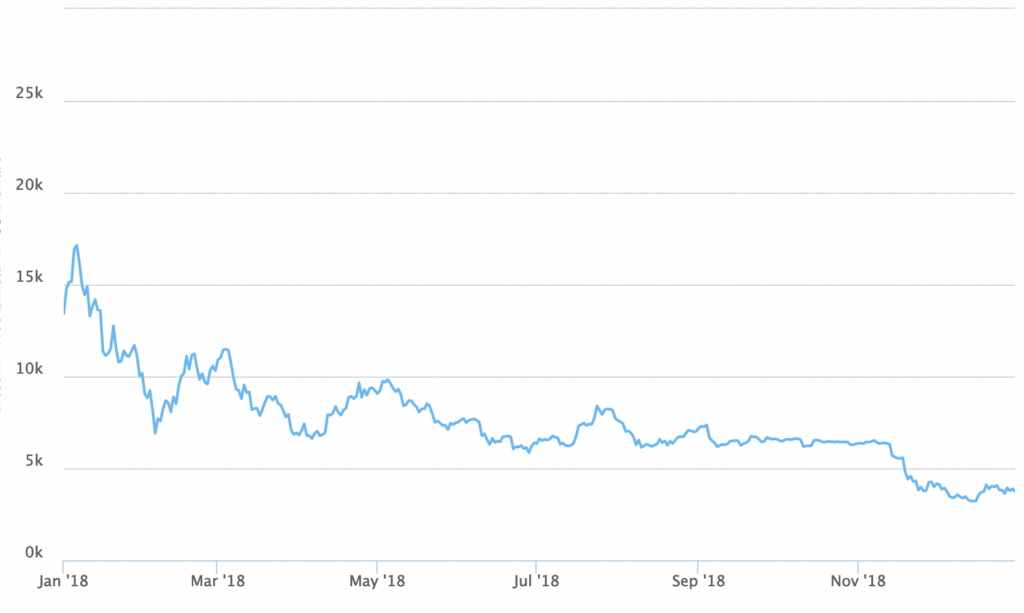
Price declines of this kind tend to accelerate when fewer participants are willing to step in. Once early sellers exit, forced selling and liquidation flows often follow, amplifying downside momentum.
Profit-Taking Meets Weak Demand
A major driver behind the move was profit-taking from holders who accumulated at lower levels. With fewer new buyers entering the market, sell orders faced limited resistance.

This imbalance created a feedback loop:
- Early sellers pushed price lower
- Stops and liquidations were triggered
- Remaining buyers hesitated, waiting for clearer signals
As this dynamic played out, the question of why is bitcoin dropping shifted from short-term catalysts to broader market structure.
Liquidity Conditions Worsen
Liquidity is often invisible until it disappears. Over the weekend, order books thinned, making even moderate sell orders more disruptive. This environment favors volatility and penalizes complacency.
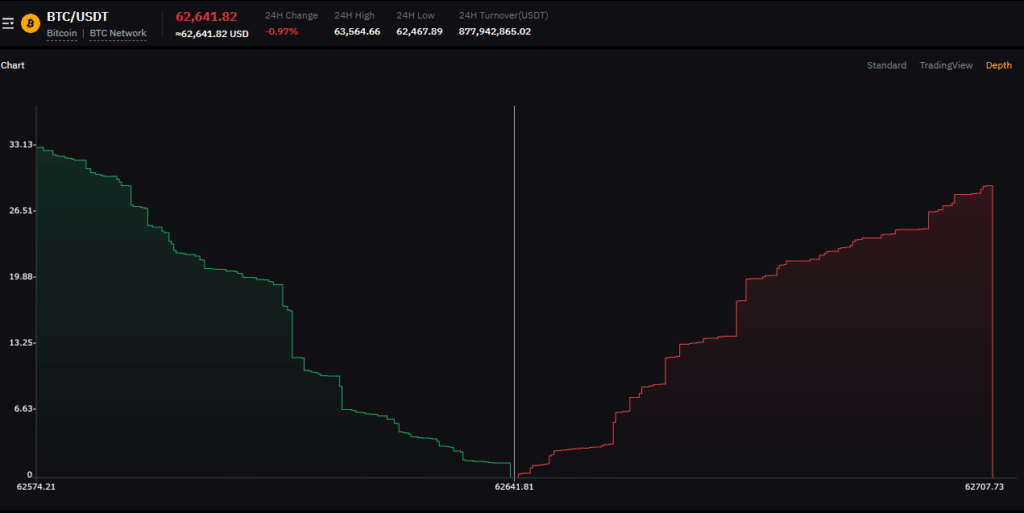
Low liquidity also explains why price moved faster than many expected. Without depth on the bid side, declines can overshoot levels that previously appeared stable.
Corporate Demand Loses Its Influence
Earlier rallies were supported by visible corporate accumulation, which gave traders confidence that dips would be bought. That narrative has weakened. As those purchases slowed, markets lost a key psychological backstop.
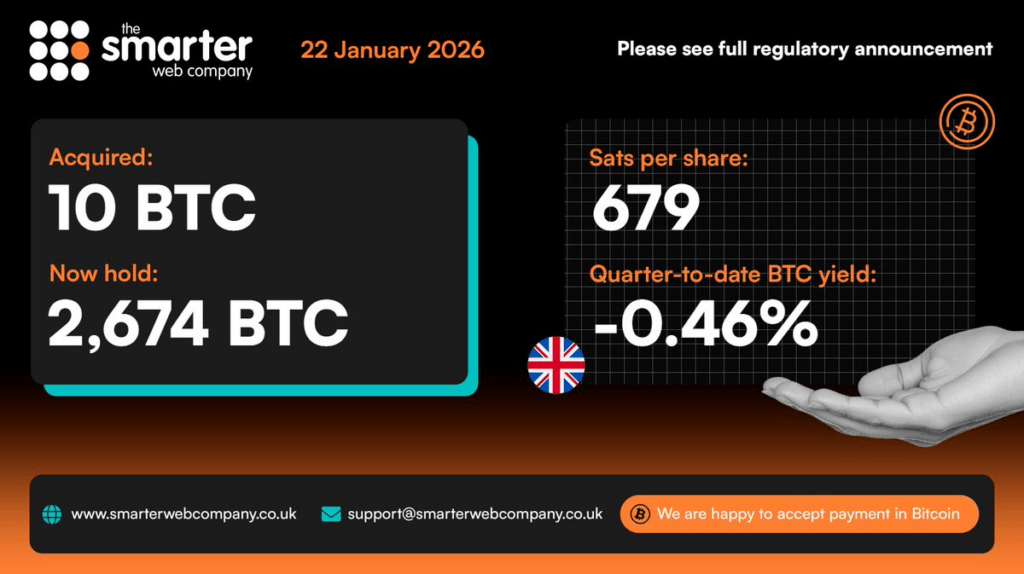
The absence of large, consistent buyers has left price discovery in the hands of traders rather than institutions. This shift matters when assessing why is bitcoin dropping despite long-term optimism.
Sentiment Shifts After Demand Peaks
When markets rely heavily on a single source of demand, sentiment can turn quickly once that source fades. Traders begin to question whether prior price levels were justified.
In this case, the retreat of corporate buying removed a stabilizing force. Without it, downside risks became more visible, and bullish assumptions were challenged.
Sideways-to-Downside Regime Takes Shape
Some analysts have argued for months that Bitcoin entered a broader corrective phase rather than a temporary pause. Recent price action aligns with that view, suggesting a market stuck between distribution and renewed selling.
Instead of trending higher, price has oscillated within a wide range, gradually tilting lower. This behavior reflects uncertainty rather than panic.
Why Expectations Became Overextended
Optimism around a rapid return to new highs persisted even as momentum slowed. That optimism created vulnerability. When reality failed to match expectations, price adjusted sharply.
This pattern is common in late-cycle markets, where belief in upside lingers longer than underlying demand supports it. The result is disappointment-driven selling.
Options Market Confirms Bearish Bias
Derivatives markets often reveal sentiment shifts before spot markets fully react. In recent sessions, options positioning has leaned increasingly defensive.
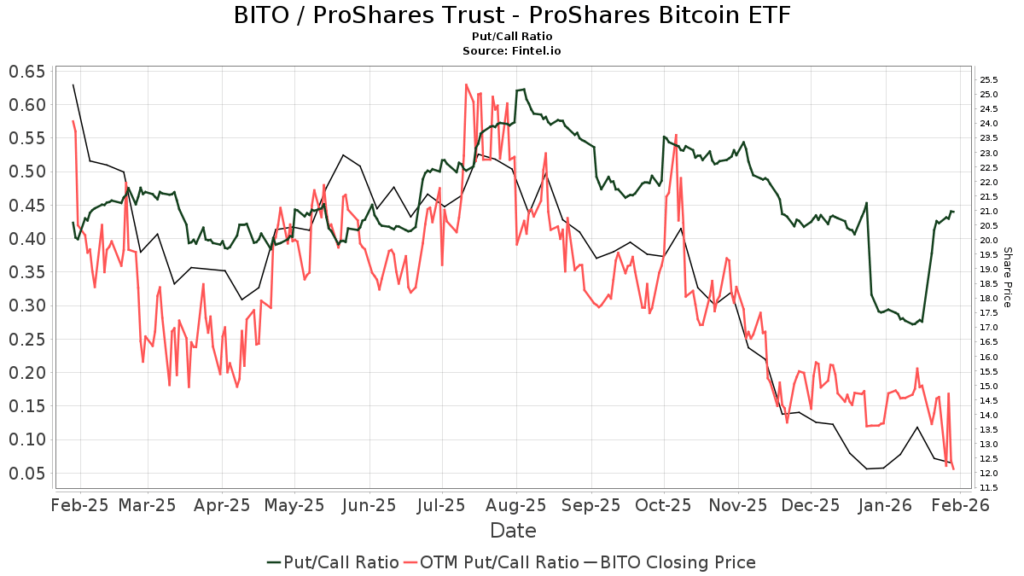
Traders have reduced exposure to high-upside bets and increased protection against deeper declines. This change reflects growing conviction that downside risks outweigh near-term upside.
Rising Interest in Lower Strike Puts
Open interest in put options around the $75,000 level has grown to nearly match interest in calls targeting $100,000. This balance signals hesitation rather than confidence.
Such positioning suggests that many traders are preparing for further downside rather than betting on an immediate recovery. It adds another layer to understanding why is bitcoin dropping in the current environment.
Technical Indicators Flash Warning Signs
Technical analysis has reinforced bearish narratives. Several indicators that historically preceded extended corrections have recently turned negative.

These signals do not predict exact price targets, but they help frame risk. When multiple indicators align, markets tend to respect them.
Key Technical Signals in Focus
Several developments stand out:
- A monthly MACD crossover pointing downward
- A bearish crossover between key weekly moving averages
- A yearly candlestick pattern associated with trend reversals
Taken together, these signals suggest caution rather than complacency. They help explain why selling pressure has persisted even after sharp declines.
Divergence From Traditional Risk Assets
Since October, Bitcoin has decoupled from broader risk markets. While equities and other assets held up, Bitcoin moved lower. This divergence matters.
In late-cycle environments, speculative assets often weaken first. Investors reduce exposure where volatility is highest, preserving capital elsewhere.
Risk-Off Behavior Emerges
This pattern fits a familiar script:
- High-risk assets are sold first
- Liquidity concentrates in safer instruments
- Volatility increases in speculative markets
Understanding this context clarifies why is bitcoin dropping even as some macro indicators remain supportive.
Could Bitcoin Fall Toward the $50,000 Zone?
As bearish signals accumulate, attention naturally shifts to downside scenarios. Some analysts argue that the current correction may not stop at recently tested levels. Instead, they see room for a deeper reset if risk appetite continues to fade.
A move toward $50,000 would not be unprecedented in historical terms. Bitcoin has repeatedly retraced large portions of prior advances during corrective phases, especially when leverage unwinds and sentiment flips.
Why Deeper Pullbacks Happen
Large drawdowns usually emerge when several pressures overlap:
- Excess leverage is flushed from the system
- Long-term holders remain inactive
- New capital waits for clearer confirmation
When these forces align, price can drift lower without dramatic headlines. This slow grind often feels more uncomfortable than sharp crashes, reinforcing uncertainty around why is bitcoin dropping for extended periods.
The Role of Forced Selling and Liquidations
Forced selling rarely begins at the top. It accelerates after key levels break and traders who relied on those levels reassess risk. Once liquidation thresholds are crossed, selling becomes mechanical rather than emotional.
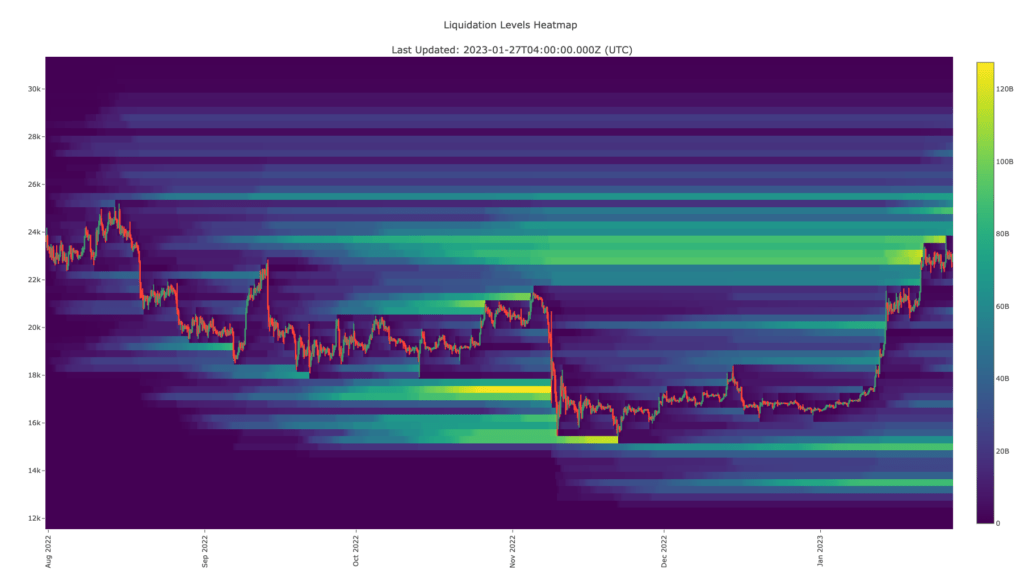
In recent sessions, derivatives-driven liquidations added fuel to downside moves. These flows do not reflect long-term conviction, but they shape short-term price behavior.
How Liquidations Amplify Volatility
Liquidations follow a predictable pattern:
- Price breaks a support level
- Leveraged positions are closed automatically
- Additional selling pressure hits thin order books
This chain reaction explains why declines can appear sudden, even when underlying sentiment has been weakening for weeks.
What Long-Term Holders Are Doing Now
While traders react quickly, long-term holders tend to move slowly. On-chain behavior suggests many are choosing patience over panic, reducing the likelihood of immediate capitulation.
This restraint matters. When long-term holders remain steady, downside moves are often driven by short-term positioning rather than fundamental shifts.
Holder Behavior and Market Stability
Key observations include:
- Reduced transfer activity from older wallets
- Lower distribution compared to prior cycle peaks
- Increased selectivity in profit-taking
These signals suggest that although price is under pressure, the foundation of ownership has not collapsed. That nuance is often missed in surface-level discussions about why is bitcoin dropping.
Liquidity as the Deciding Factor
Ultimately, liquidity will determine how far the correction extends. Without fresh inflows, even modest selling can move markets. With renewed demand, declines can stabilize quickly.
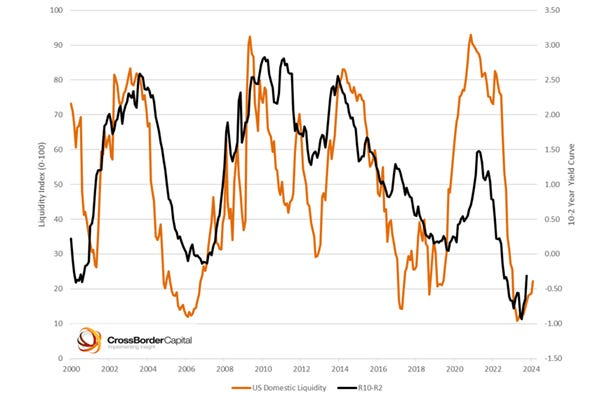
Liquidity is influenced by macro conditions, regulatory clarity, and investor confidence. When these improve, price tends to follow.
Conditions That Could Support a Base
Several developments could help restore balance:
- Improved market depth across major venues
- Reduced leverage in derivatives markets
- Clearer signals from macro risk indicators
Absent these factors, price may continue to probe lower levels in search of equilibrium.
Comparing Past Corrections to the Current Cycle
Every cycle feels unique, yet familiar patterns repeat. Previous corrections often featured prolonged consolidation after initial declines, followed by sharp reactions once sentiment shifted decisively.
The current phase shares elements of both early and mid-cycle pullbacks. That ambiguity fuels debate and uncertainty.
Key Differences This Time
Unlike earlier cycles:
- Institutional participation is more visible
- Derivatives markets are larger and faster
- Information spreads instantly across markets
These differences compress timelines and intensify reactions, complicating answers to why is bitcoin dropping in real time.
A Practical Framework for Reading the Market
Rather than fixating on single price targets, a framework approach offers clarity. This means evaluating structure, behavior, and context together.
The following table summarizes key factors shaping the current environment.
| Factor | Current Signal | Market Impact |
| Liquidity | Weak | Increases volatility |
| Corporate Demand | Reduced | Removes downside support |
| Derivatives Positioning | Defensive | Limits upside |
| Long-Term Holders | Stable | Slows capitulation |
| Technical Indicators | Bearish | Extends correction |
This overview highlights why price action feels fragile without implying inevitability.
What Could Change the Narrative
Market narratives shift quickly when conditions align. A single catalyst rarely reverses trends alone, but a combination can alter momentum.
Potential drivers include renewed inflows, stabilization in derivatives markets, or macro developments that favor risk assets again.
Signals Worth Watching Closely
Several indicators deserve attention:
- Changes in options positioning
- Improvements in spot market depth
- Shifts in long-term holder activity
Monitoring these signals helps separate noise from meaningful change.
Interpreting Volatility With Perspective
Periods of uncertainty test conviction. Volatility challenges assumptions and forces reassessment. Yet it also creates information, revealing where real demand and supply exist.
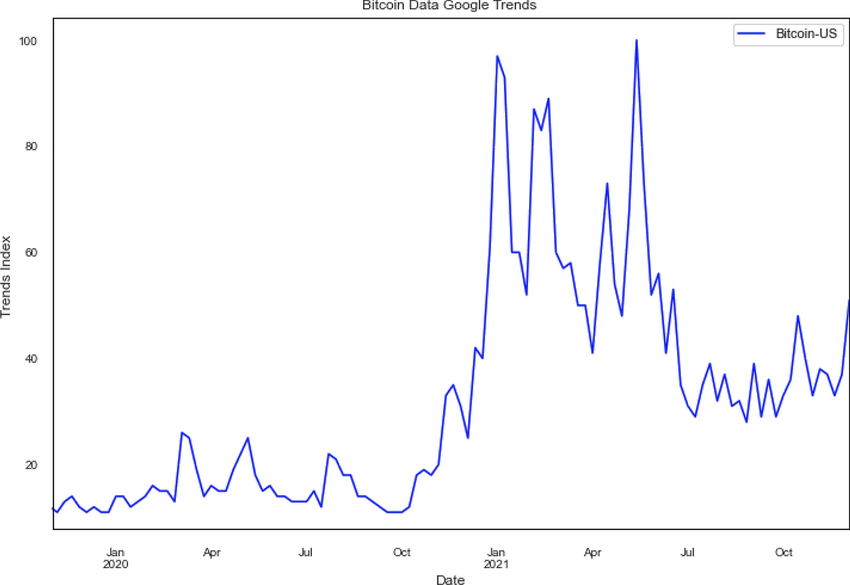
Understanding why is bitcoin dropping requires patience as much as analysis. Short-term moves rarely define long-term outcomes.
Will the market find balance sooner than expected, or will it need more time to reset?