
Michael Burry, the investor known for predicting the 2008 financial crisis, has issued a stark warning that bitcoin’s recent downturn could unleash systemic ripples across commodity markets. Specifically, Burry believes that institutional players and corporate treasuries may have begun liquidating their profitable positions in gold and silver to cover crypto losses—potentially amounting to $1 billion in tokenized metal selloffs.
Institutional Exposure to Bitcoin and Collateral Unwinding
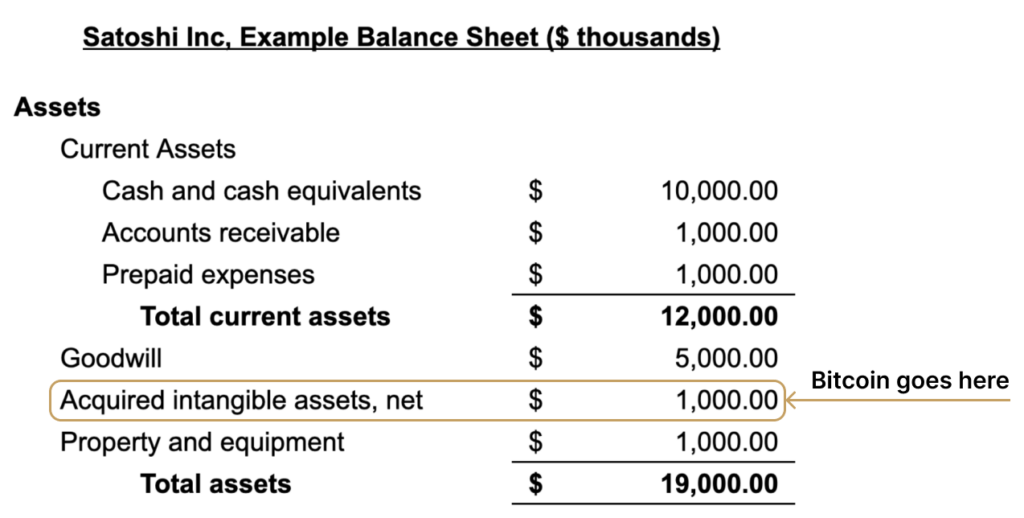
Burry’s comments point to a fragile dynamic: bitcoin’s price drop may force risk managers to exit more stable assets to preserve cash flow.
Pressure on Corporate Treasury Management
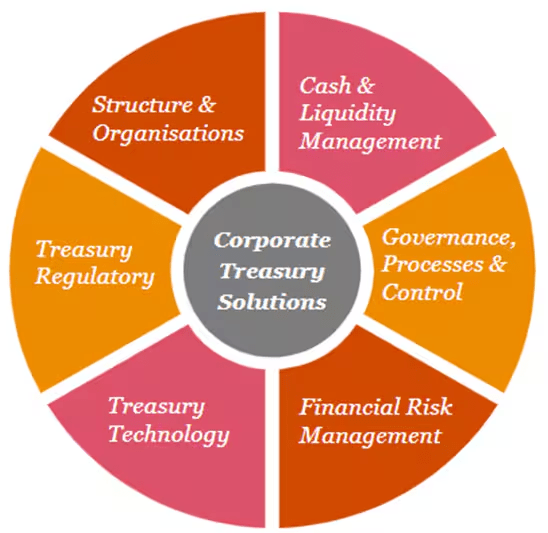
Companies holding BTC on balance sheets, especially high-profile names like MicroStrategy, face mark-to-market losses that can spook creditors or equity holders.
Capital Efficiency Constraints
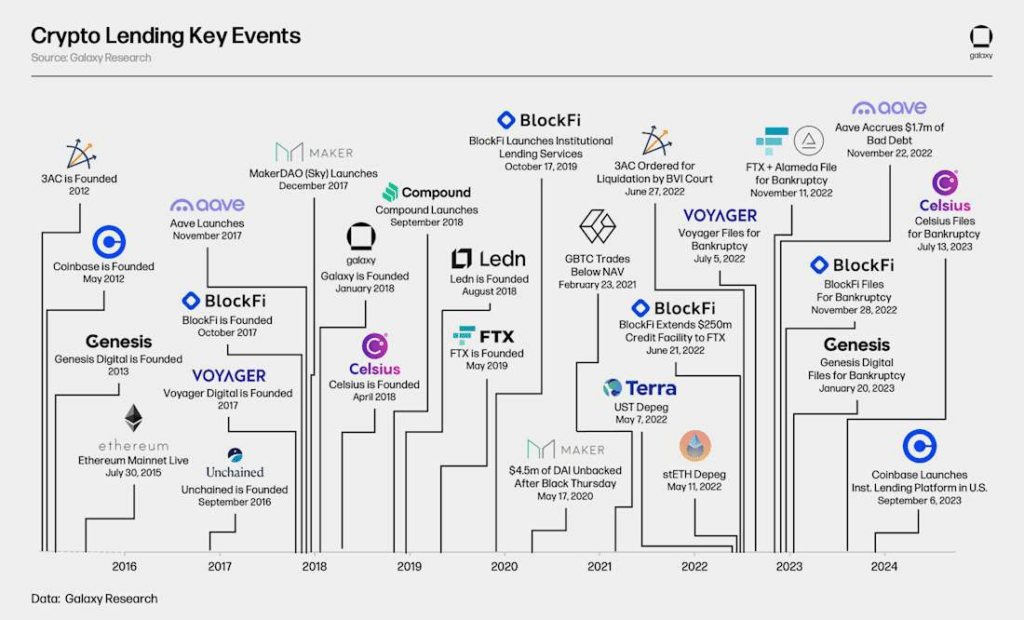
Falling BTC prices reduce the collateral value used in secured crypto lending or liquidity provision, pushing institutions to sell unrelated but liquid assets like gold ETFs.
Signs of Panic-Led Rotation
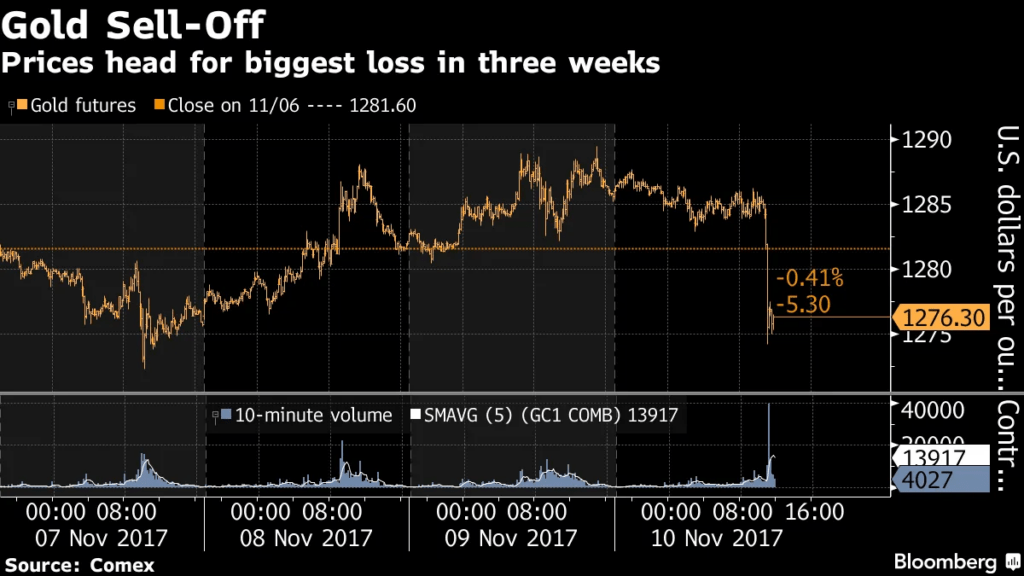
According to Burry, precious metals futures—especially tokenized gold and silver products—saw sudden end-of-month liquidations, likely executed under stress.
The Scale of Potential Liquidation
If Burry’s estimate holds, up to $1 billion worth of tokenized metals could have been sold to offset crypto-driven volatility.
- Gold futures rolled back below $1,900
- Tokenized silver on-chain redemptions spiked in late January
- Institutional ETF outflows from gold-backed funds intensified alongside BTC’s dip
Tokenized Commodities Under Stress
Tokenized metals—digital representations of physical bullion—have gained traction for their liquidity and DeFi compatibility. But that very interoperability may expose them to crypto contagion.
The Mechanics of Liquidation
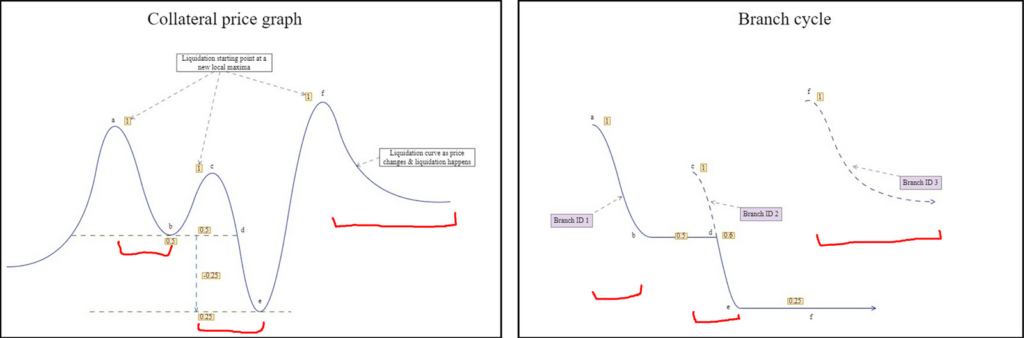
Tokenized commodities are often used as stable, yield-generating collateral in DeFi strategies. A sharp BTC downturn can trigger liquidation algorithms.
Weak Secondary Market Depth
While tokenized gold has grown in adoption, its trading volume remains concentrated. Forced liquidations can overwhelm order books, causing illiquidity gaps.
Smart Contract Pressure
Automated margin calls on tokenized positions can compound volatility when not throttled by human risk officers.
Bitcoin’s Decline and Systemic Ripple Effects

Burry highlighted how Bitcoin briefly plunged below $73,000—representing a 40% drop from recent highs. For miners, institutions, and DeFi lenders, this level raised critical risk thresholds.
Implications for Bitcoin Mining Economics

Burry warned that if BTC falls further—toward $50,000—mining economics will deteriorate. Operators could face:
- Unprofitable production margins
- Insolvency risk on borrowed energy contracts
- Default cascades on mining-backed crypto loans
MicroStrategy as a Systemic Risk Vector
With massive BTC exposure and leveraged purchases, companies like MicroStrategy could trigger broader financial stress if forced to unwind positions.
Has Bitcoin Failed as a Digital Safe Haven?

According to Burry, the answer is increasingly clear.
No Real-World Utility Buffer
He argues BTC lacks intrinsic use cases that could stabilize its price. When sentiment shifts, there’s no demand floor—unlike physical gold, which retains industrial and reserve utility.
Speculative Overdependence
The current BTC rally, Burry suggests, is mostly fueled by ETF inflows and institutional marketing—not grassroots adoption or tech-driven demand.
Volatility Profile Incompatible With Treasury Use
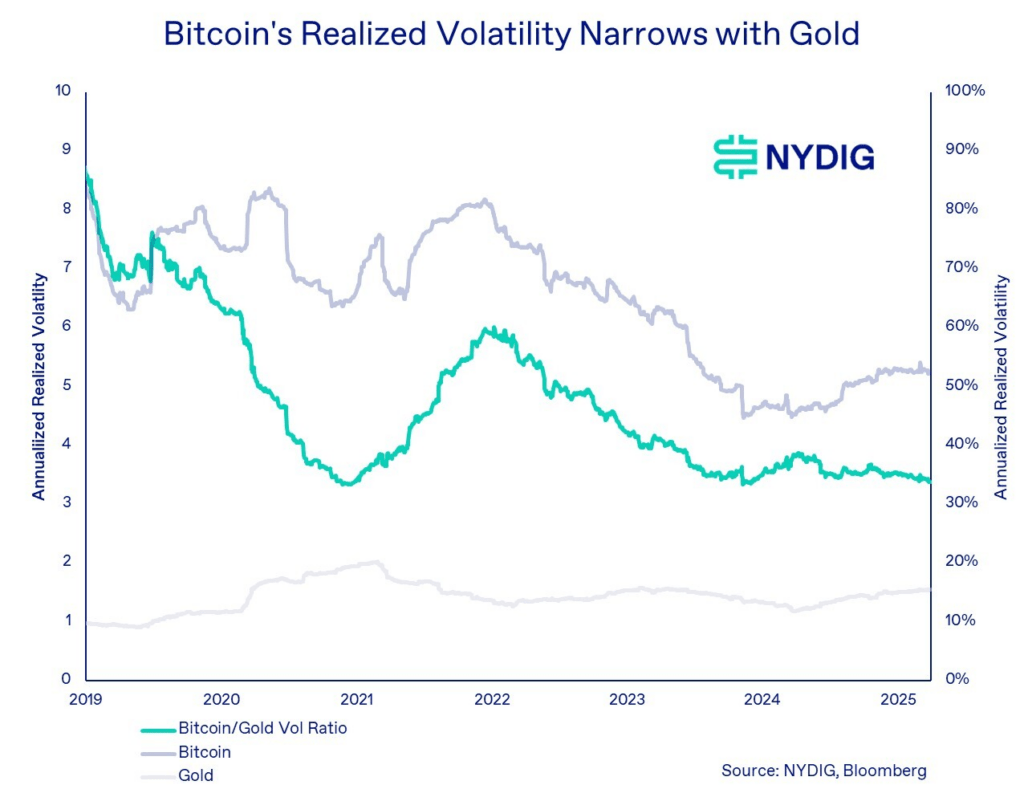
No treasury desk can rely on an asset that might plunge 40% in a month as a store of value, Burry insists. His position challenges the very thesis behind corporate BTC reserves.
What a Tokenized Metal Market Breakdown Would Look Like
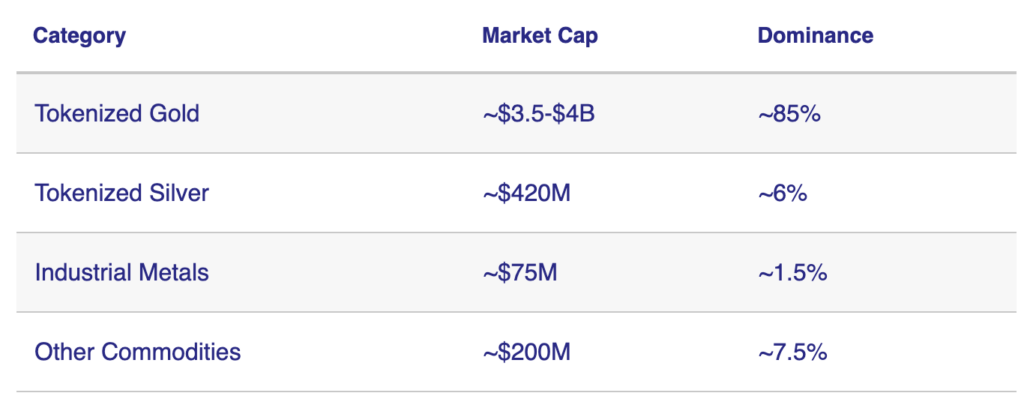
Burry’s warning extends beyond price action. He is pointing at structural fragility in how tokenized metals are positioned within crypto-linked financial stacks.
Liquidity Vacuum Scenario
If bitcoin-driven margin stress forces widespread redemptions, tokenized gold and silver products may face a buyer shortage. Unlike spot bullion markets, these instruments rely on narrow liquidity corridors.
Collateral Chain Reactions
Tokenized metals are often rehypothecated across multiple platforms. A forced unwind at one layer can cascade through lending pools, structured products, and derivatives tied to the same collateral.
Disconnect From Physical Demand
In stress scenarios, on-chain prices may decouple from physical bullion demand, creating sharp discounts and impairing redemption confidence.
Futures Markets and the Risk of a “No-Bid” Event
One of Burry’s most severe claims is that tokenized metal futures could collapse into what he describes as a “black hole without buyers.”
Structural Leverage
Many tokenized futures are built on leveraged positions designed for yield optimization rather than long-term hedging.
Algorithmic Selling Pressure
Automated liquidation engines do not assess market depth. When thresholds are breached, selling accelerates regardless of macro context.
Absence of Traditional Market Makers
Unlike CME-linked futures, tokenized metal contracts lack guaranteed market-making support during stress periods.
Why Burry Rejects the Bitcoin-as-Digital-Gold Thesis
Michael Burry’s critique is not emotional. It is grounded in balance sheet mechanics and capital behavior.
No Permanence in Treasury Holdings
Burry dismisses the idea that institutional BTC holdings provide durable support. Treasuries rebalance. Risk limits change. Boards intervene.
ETF Inflows as Temporary Demand
Spot ETF demand, in his view, represents cyclical allocation rather than structural adoption. When performance reverses, inflows can just as easily become outflows.
Speculation Without a Consumption Base
Bitcoin does not anchor itself to industrial, monetary, or survival demand. That leaves price entirely dependent on sentiment and liquidity conditions.
Comparative Stress Profile: Bitcoin vs Precious Metals
| Dimension | Bitcoin | Gold and Silver |
| Intrinsic Use | Speculative, network-based | Industrial, monetary, reserve use |
| Volatility Profile | Extremely high | Moderate to low |
| Treasury Suitability | Highly unstable | Historically reliable |
| Crisis Liquidity | Correlated selloffs | Flight-to-safety behavior |
| Tokenization Risk Exposure | Native | Secondary via wrappers |
| Long-Term Price Anchors | None | Inflation, demand, reserves |
Implications for Institutional Risk Management
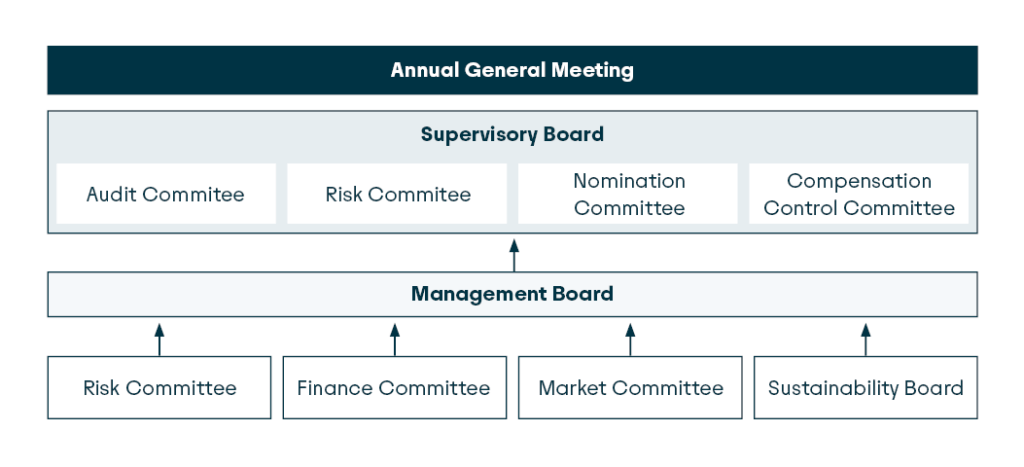
Burry’s message is ultimately directed at risk committees, not retail traders.
Overlapping Risk Buckets
Treating bitcoin and tokenized metals as separate exposures may be a mistake. In stress events, they converge into a single liquidation pool.
False Diversification
Tokenized gold used inside crypto-native systems does not behave like physical bullion held in segregated vaults.
Liquidity Hierarchy Matters
When losses occur, institutions sell what they can—not what they should. Tokenized metals are easier to exit than physical reserves.
What Comes Next if Bitcoin Falls Further
Burry’s scenario hinges on continuation. A deeper BTC drawdown would amplify existing weaknesses.
- Mining bankruptcies could accelerate forced BTC sales
- Corporate treasuries may unwind crypto exposure entirely
- Tokenized commodity platforms could face confidence shocks
- DeFi collateral frameworks may require rapid redesign
At that point, the question shifts from price prediction to system resilience.
Why Michael Burry’s Warnings Still Matter
Burry has been early—and unpopular—before. His bearish calls often precede broader recognition of structural flaws.
He is not arguing that gold or silver will fail. He is warning that their tokenized representations, when entangled with crypto leverage, may behave nothing like the assets they claim to mirror.
For investors exposed to bitcoin-linked structures, his message is blunt: liquidity stress does not respect narratives.
And if bitcoin continues to slide, what looks like diversification today may reveal itself as correlation tomorrow.