
Hang Seng Investment Management has introduced a unique bridge between traditional commodities and blockchain by launching a gold ETF with a tokenized share class on Ethereum. This move marks a pivotal step in merging physical asset investment with programmable finance. With the ticker 03170.HK, the ETF not only tracks the LBMA Gold Price AM but also sets precedent by enabling Ethereum-based tokenized units under institutional compliance.
Structure and Asset Composition of the Hang Seng Gold ETF
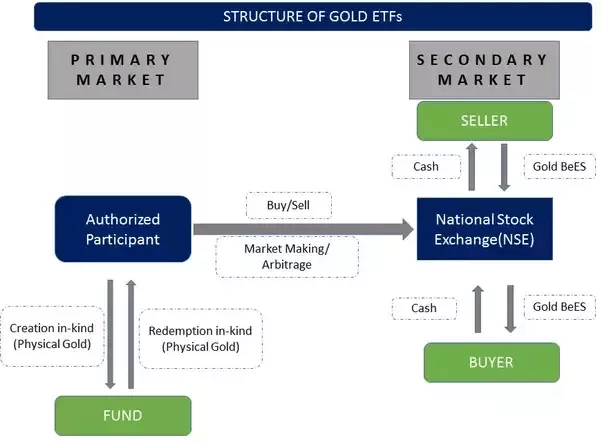
Unlike synthetic or derivative products, this ETF is physically backed, with a clear custodian structure and verifiable asset reserves.
LBMA Benchmark Integration
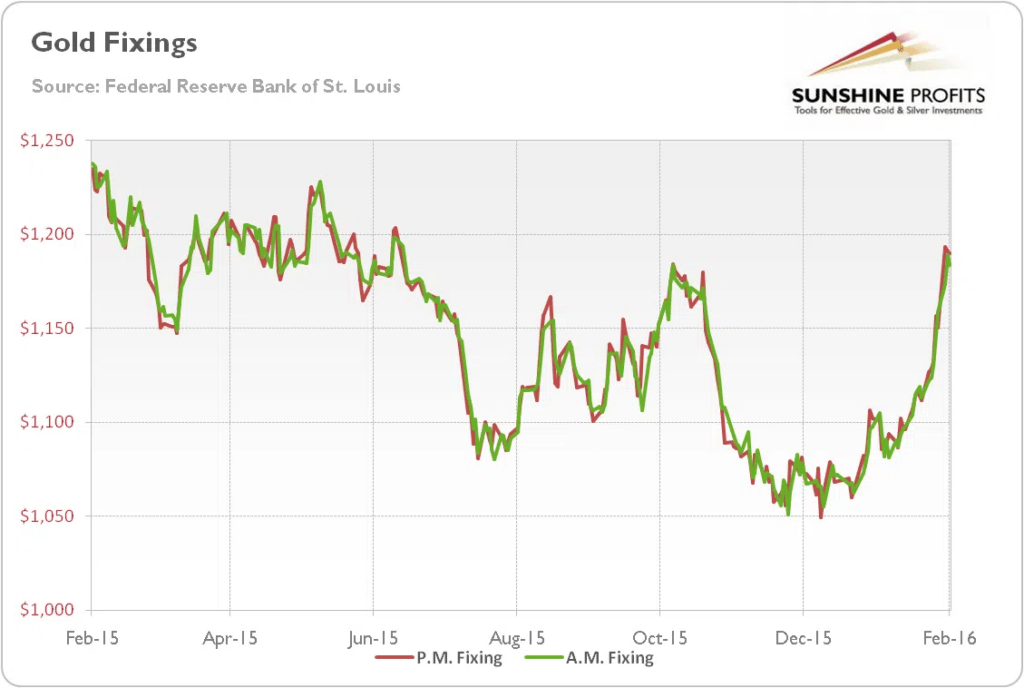
The ETF closely tracks the LBMA Gold Price AM, ensuring standardized, globally recognized pricing.
Vault-Backed Bullion Reserves

The underlying gold is stored in Hong Kong’s authorized vaults, with full audit transparency and regulatory oversight, enhancing investor confidence in the physical integrity of the ETF.
Tokenized Share Class Introduction
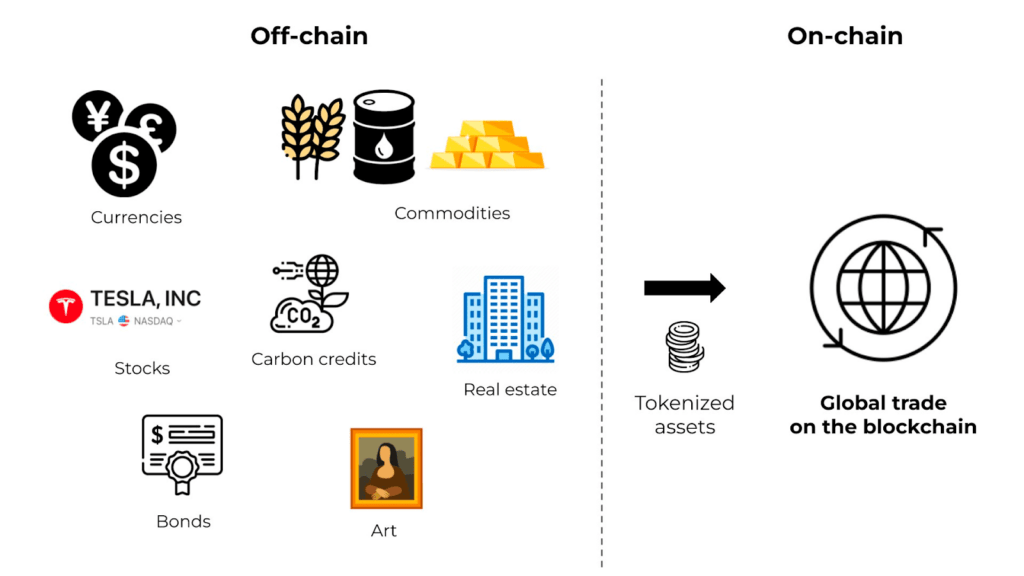
Beyond the standard ETF units, a separate tokenized class is issued on Ethereum. These units are not synthetic representations but legally structured extensions of the underlying ETF shares.
Role of Ethereum in ETF Tokenization
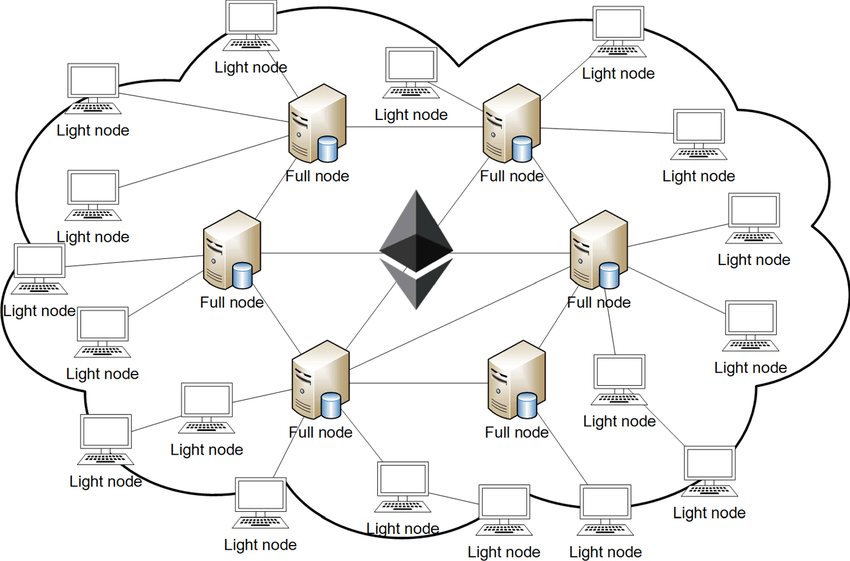
Tokenization on Ethereum is not merely symbolic—it introduces real efficiencies.
Public Blockchain Infrastructure
Ethereum provides an open, immutable ledger, allowing proof of ownership and traceability of tokenized ETF units.
Compliance-Bound Token Issuance
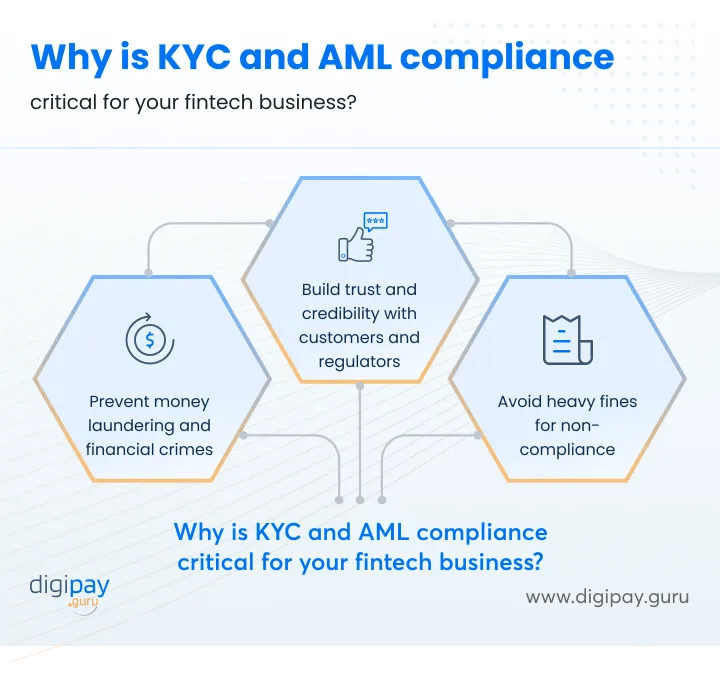
Despite being issued on Ethereum, the tokens are strictly permissioned. They are only accessible via registered distributors, maintaining KYC and AML compliance.
HSBC as Tokenization Agent

HSBC’s involvement adds institutional legitimacy. Acting as the tokenization agent, it bridges legacy custody frameworks with public blockchain protocols.
Why Tokenizing ETFs Matters for Institutional Markets
Tokenization is more than a buzzword—it’s an operational shift.
- Reduced Settlement Friction: Blockchain settlement can eliminate post-trade reconciliation delays.
- Enhanced Transparency: Token records are immutable and audit-ready.
- Programmable Compliance: Smart contracts can enforce transfer restrictions, lock-up periods, and jurisdictional controls.
Regulatory Boundaries and Subscription Controls
Hang Seng’s structure respects current regulatory constraints while preparing for future expansion.
Distribution Through Qualified Intermediaries
Tokens are not tradable on secondary markets. Subscriptions and redemptions are exclusively managed via licensed distributors.
Pending Regulatory Clearance
As per Hang Seng’s disclosures, the tokenized class is not yet open to public subscription, pending final approval from relevant authorities.
Technical Comparison: Tokenized vs Conventional ETF Units
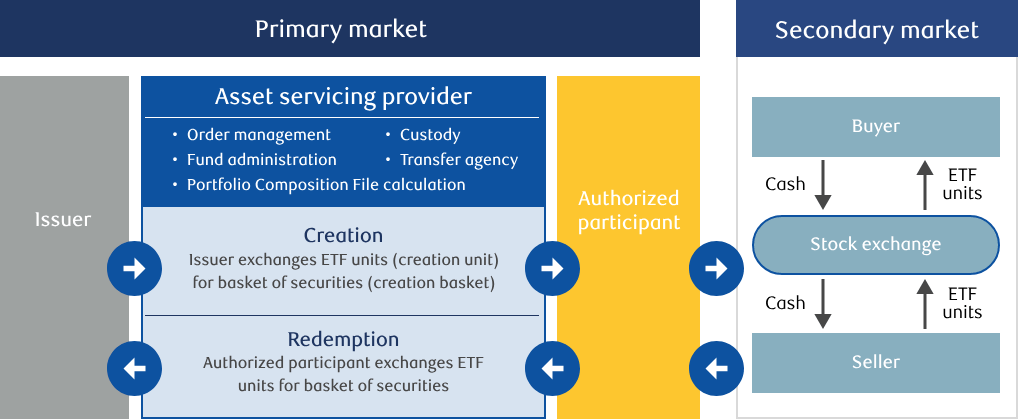
| Parameter | Conventional Units | Tokenized Units (Ethereum) |
| Custody | Held by central custodian | Wallet-based, via permissioned access |
| Trading Venue | HKEX | Not yet tradable; subscription-only |
| Settlement Time | T+2 | Near real-time via blockchain |
| Transparency | Broker/clearing dependent | Public ledger visibility |
| Compliance Mode | Distributor enforced | Smart contract + distributor |
| Transferability | Fully liquid | Controlled, non-transferable peer-to-peer |
| Pricing Source | LBMA Gold Price AM | LBMA Gold Price AM |
Broader Implications for Commodity Finance
This initiative repositions commodity ETFs as programmable instruments.
Interoperability With DeFi
Future potential includes collateralizing tokenized ETF units in decentralized finance platforms—pending regulatory clarity.
Global 24/7 Access
Tokenized instruments allow for continuous availability beyond traditional market hours, aligning with global investor behavior.
Liquidity Fragmentation Concerns
Until tokenized units achieve fungibility with traditional ETF shares or cross-listings, fragmented liquidity remains a challenge.
Institutional Use Cases and Scenarios
This product opens doors for innovative structured finance and risk management models.
- Collateralization in Private Lending Pools
- Regulatory Sandbox Experiments
- Interbank Settlement Prototypes With Physical Asset Backing
- Tokenized Fund-of-Funds Architecture
Who This ETF Model Serves Best
Not all investors are ready—or allowed—to hold tokenized assets. But specific segments are clear beneficiaries.
Family Offices and Private Banks
These entities seek gold exposure with programmable risk control.
Regulated Crypto Custodians
They can integrate tokenized ETFs into broader custody solutions, linking traditional assets with digital rails.
Strategic Innovators
Jurisdictions aiming to become Web3 finance hubs (e.g., Singapore, Dubai, Switzerland) may look to replicate or scale such models.
Strategic Role of Hong Kong in Tokenized Financial Products

Hang Seng’s decision to launch this hybrid product in Hong Kong is not incidental—it reflects the city’s evolving ambition to be a global hub for regulated Web3 finance.
Regulatory Environment
Hong Kong’s Securities and Futures Commission (SFC) has taken a proactive approach in setting frameworks for tokenized securities. This ETF fits squarely within the government’s digital asset roadmap.
Institutional Appetite
With a concentration of global banks, sovereign wealth, and regional asset managers, Hong Kong is positioned to pilot tokenized models with real institutional flow.
Financial Infrastructure Readiness
From HSBC’s tokenization role to exchange integration, Hong Kong’s market plumbing is adapting quickly to blockchain-native deployments.
Risks and Limitations of Current Implementation
As pioneering as the tokenized ETF model is, certain limitations still exist.
- Lack of Secondary Market: Without peer-to-peer or exchange trading, tokenized units may lack real-time pricing and liquidity.
- Custody Risk on Ethereum: Though permissions are in place, Ethereum remains a public chain with smart contract risk surfaces.
- Dependence on Intermediaries: Despite using blockchain, subscriptions still route through traditional distributors.
- Market Segmentation: Regulatory walls may prevent cross-border transferability or utility beyond the issuing jurisdiction.
Future Outlook: Expansion and Interoperability
Despite its initial restrictions, the Hang Seng Gold ETF’s tokenized class hints at much broader possibilities.

Cross-Chain Issuance
The prospectus notes potential for expanding to other public blockchains beyond Ethereum. This could include:
- Avalanche or Polygon for lower fees
- Public permissioned chains for regulatory comfort
- Interoperability protocols enabling asset movement across ecosystems
Tokenized Index Funds
This launch may lay the foundation for full tokenized portfolios—multi-asset ETFs issued and managed natively on blockchain, spanning equity, debt, and commodities.
Integration With Digital ID and CBDCs
Tokenized ETFs could interlink with digital identity systems and central bank digital currencies, creating seamless regulatory reporting and programmable cash settlements.
Strategic Competitive Advantage for Hang Seng
Hang Seng has gained more than just first-mover PR with this launch.
- Proprietary Infrastructure: Owning the token issuance stack offers flexibility and licensing opportunities.
- Regulatory Relationships: Aligning closely with SFC guidelines builds trust and approval velocity for future products.
- Institutional Data Lead: Early tokenization allows Hang Seng to model on-chain behavior, liquidity curves, and operational efficiencies.
Will More Asset Managers Follow?
This launch sets a benchmark. The question is: who’s next?
- BlackRock and Fidelity have explored tokenized treasuries.
- Franklin Templeton has issued tokenized MMFs.
- Asian sovereign funds are exploring cross-border tokenized gold trading.
What Hang Seng has done is create a template—a compliance-first, hybrid architecture ETF that can be replicated for other asset classes.
Tokenized ETFs Are Not the Future — They’re Now
The Hang Seng tokenized gold ETF marks a significant evolution in how investors access and interact with physical assets. It combines traditional financial safeguards with the flexibility, auditability, and programmability of blockchain.
It may not replace conventional ETFs overnight, but it makes a compelling case for a hybrid future—where real-world assets are fluidly represented and traded in programmable formats. For institutional investors, regulators, and technologists alike, this launch is not just a headline—it’s a signal.