
The severity of the crypto crash today has shaken traders and institutional participants alike, revealing stress points beneath recent rallies. Bitcoin’s plunge below key technical floors triggered cascading liquidations, while leveraged positions unwound rapidly across markets. Simultaneously, broader asset classes felt the shock, with precious metals and traditional futures also retreating.
Investors are now reevaluating risk frameworks, liquidity dynamics, and correlation behavior. The recent pullback tests assumptions about bitcoin’s resilience and highlights how interconnected digital assets have become with wider financial sentiment.
Bitcoin’s Sharp Decline and Liquidity Vacuum
Bitcoin’s sudden drop through major support levels marked the beginning of a brutal price retracement.
Breakdown Through Critical Price Floors
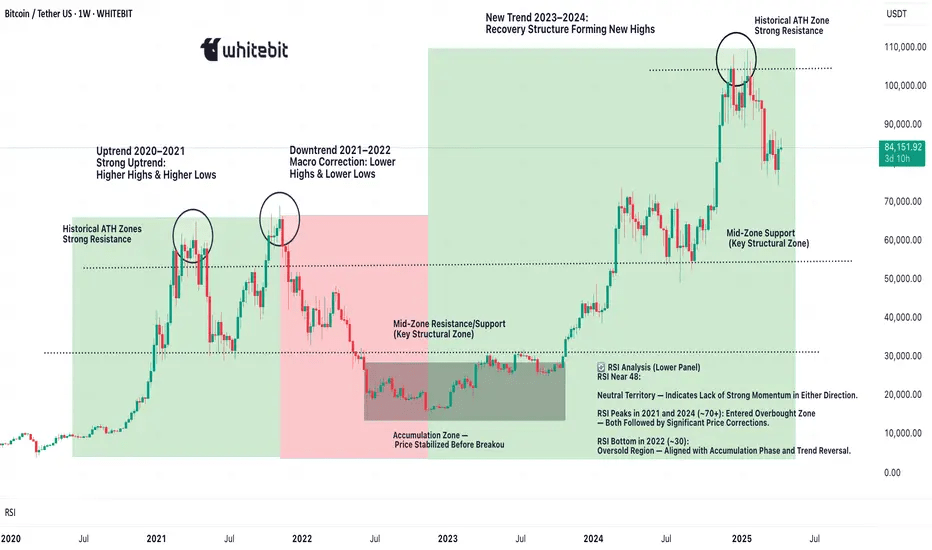
What started as a minor pullback quickly accelerated when bitcoin fell decisively under previously defended levels. The resulting crypto crash today erased value at a pace few anticipated.
Weekend Liquidity Exacerbates Volatility
With thinner participation over weekend sessions, sellers dominated order books. Reduced depth meant orders executed at sharply lower prices, magnifying downward moves.
Market Value Erosion and Position Liquidations
The result was staggering: hundreds of billions in market cap evaporated, and leveraged bets were forcibly closed, adding fuel to the selloff.
The Domino Effect on Leveraged Positions
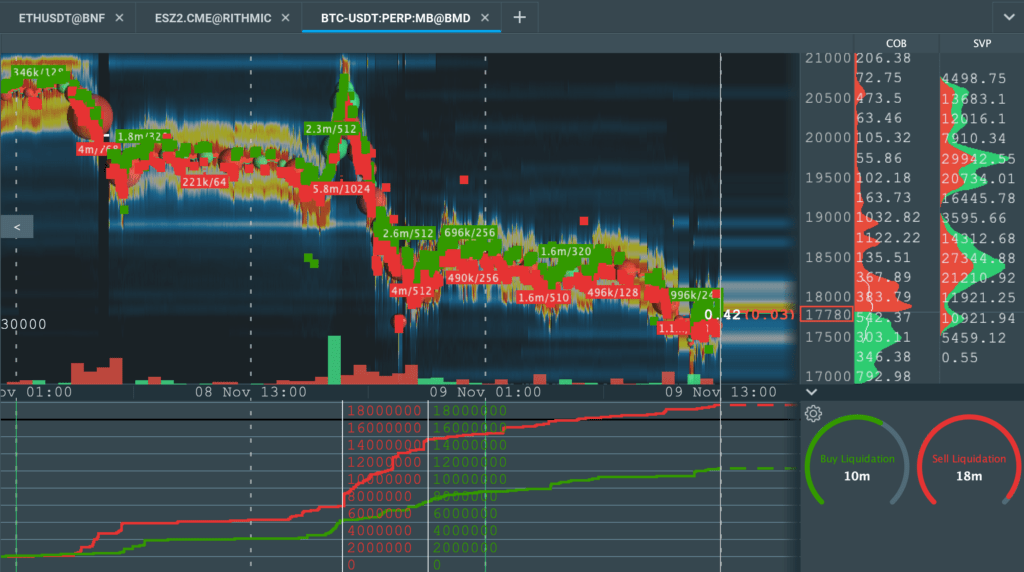
One of the most consequential aspects of the crypto crash today is the mechanical liquidation of long positions across exchanges.
- Leveraged traders faced margin calls as price retreated beneath key thresholds
- Automated systems sold positions to cover debt, triggering further downward pressure
- Nearly 200,000 trading accounts saw forced exits during peak volatility
How Liquidation Spirals Accelerate Declines
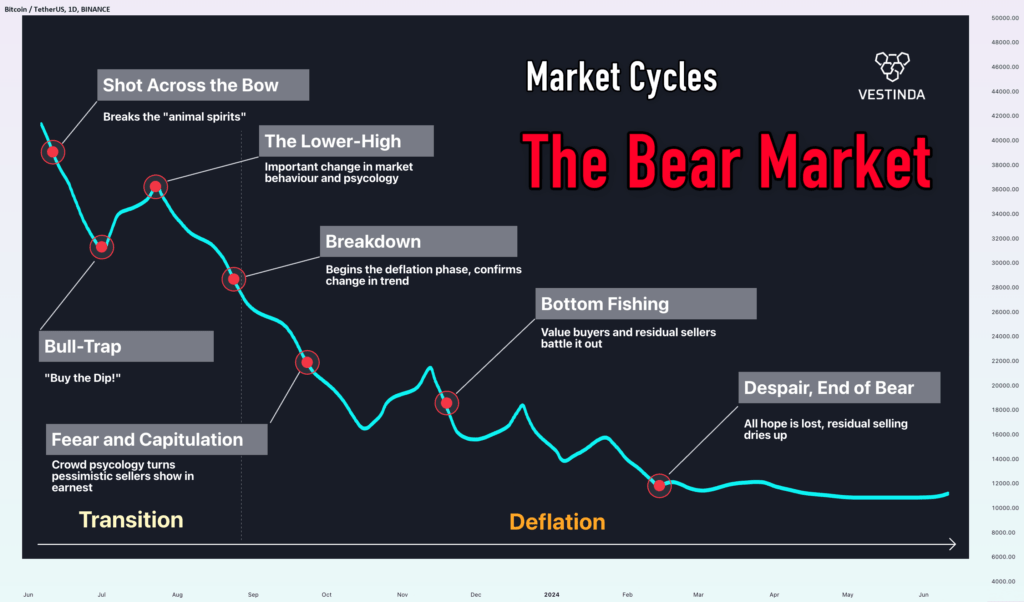
When exchanges execute margin liquidations, price momentum intensifies. Forced selling begets more selling, compressing prices quickly and without strategic intent.
Leverage as a Risk Amplifier
Excessive leverage, especially in crypto markets, has repeatedly shown its potential to turn moderate corrections into full‑blown selloffs.
Broader Asset Classes Reflect Risk‑Off Behavior
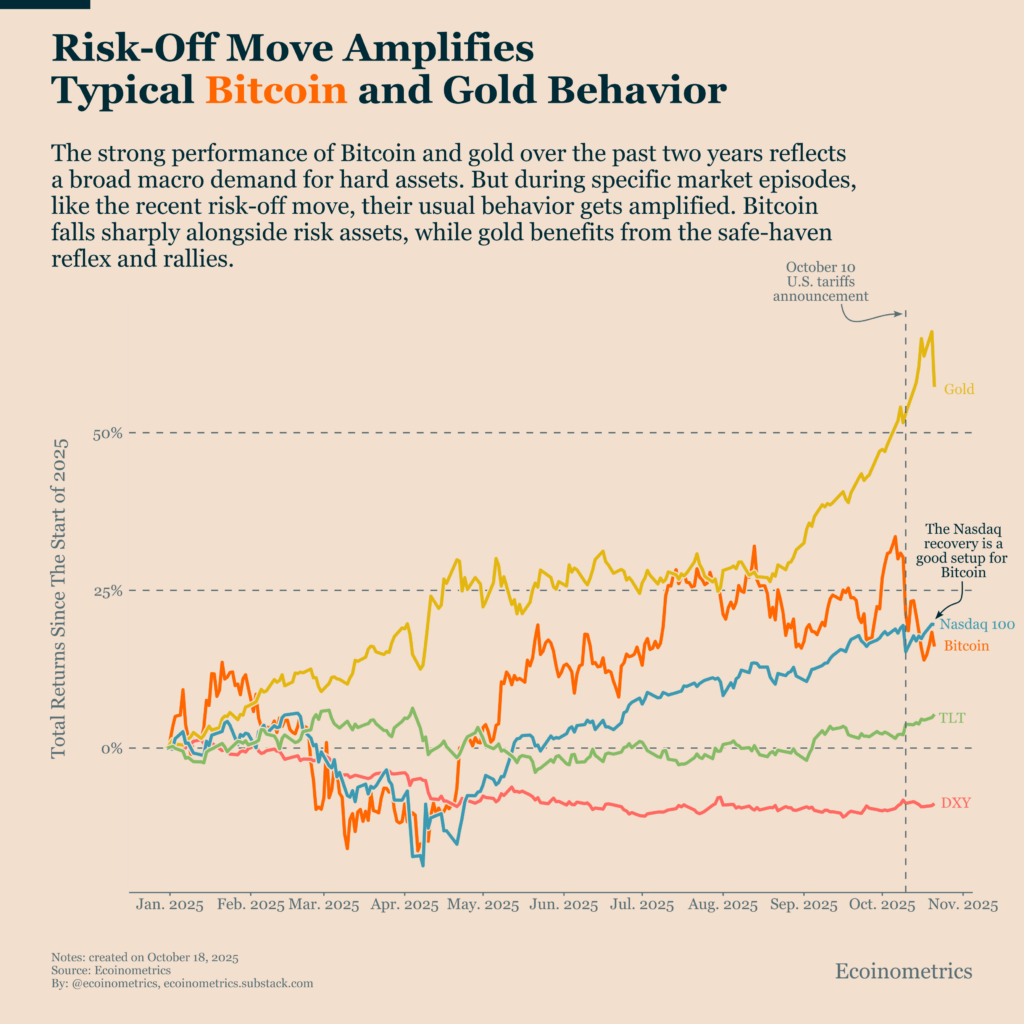
The crypto crash today did not occur in isolation. Traditional safe havens also experienced sharp moves that defied conventional expectations.
Precious Metals Retreat Sharply

Gold and silver, historically seen as safe stores of value, plunged alongside digital assets. The simultaneous selloff reflects a broader risk‑off shift and a strong dollar environment.
Equities Futures Slip as Fear Mounts
U.S. futures turned negative, signaling that contagion fears had spilled into broader markets. Traders priced in defensive postures as volatility surged.
Trader Psychology and Market Dynamics
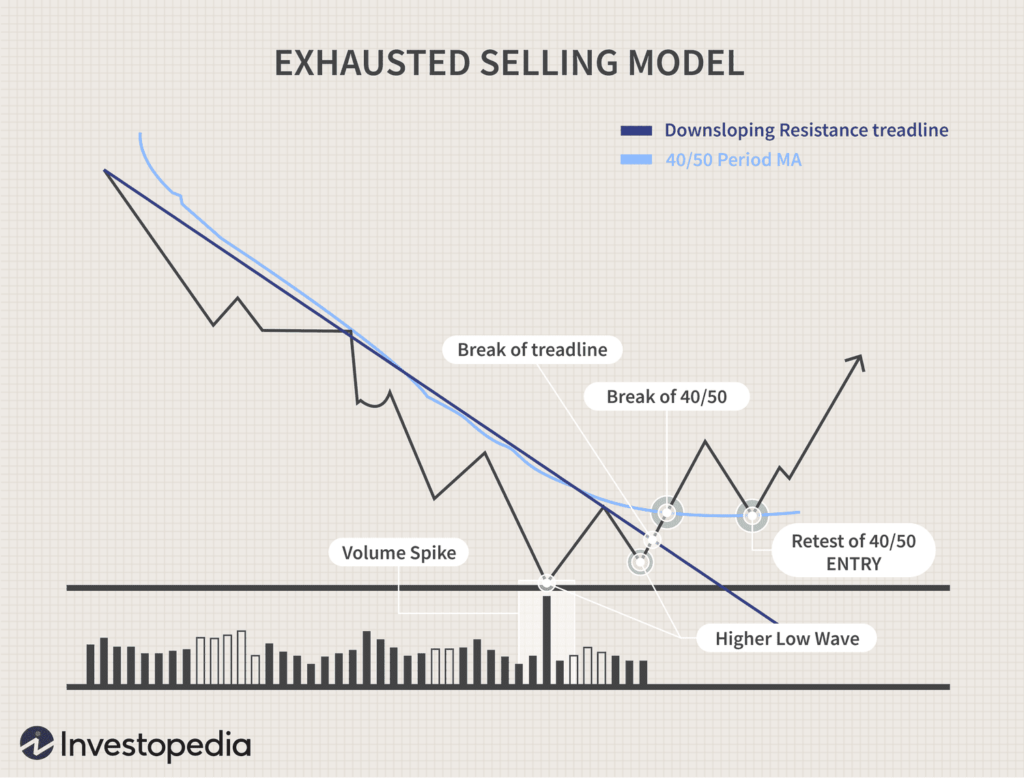
Sentiment swings have a decisive impact during episodes like the crypto crash today, especially when compounded by social media amplification.
Retail Capitulation
Smaller holders began liquidating positions as losses mounted, contributing to downward pressure.
Whale Behavior Contradicts Price Action
Large holders quietly accumulated at lower levels, absorbing spillover supply. However, their activity has not been sufficient to stabilize prices.
Fear and Volatility Indices Spike
Market fear gauges climbed as participants rushed toward hedges and risk insurance.
What Triggered the Market Drop?
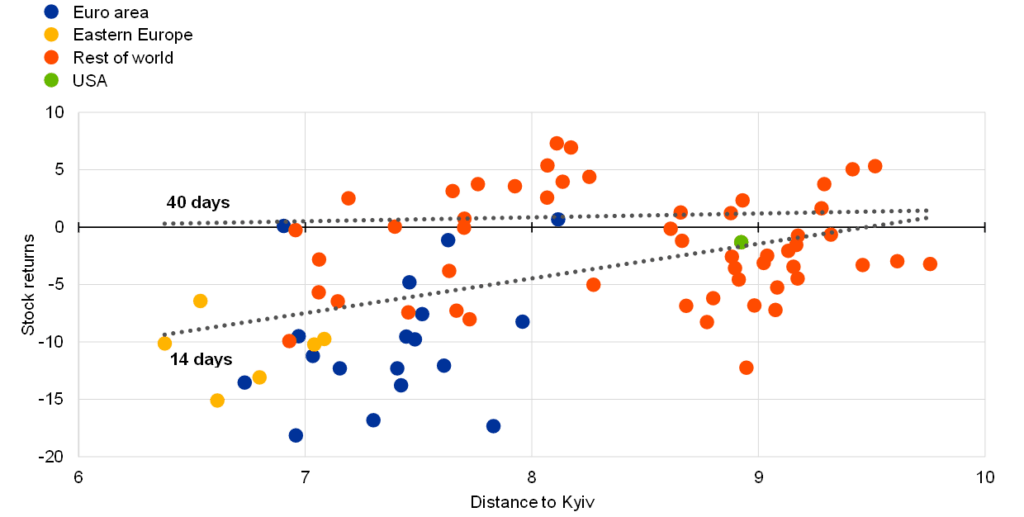
Multiple overlapping triggers contributed to the intensity of the current crypto crash today.
Geopolitical Shockwaves
Reports of escalating geopolitical tensions triggered an immediate liquidity flight, pushing capital toward perceived safe assets like the U.S. dollar.
Bitcoin as a Liquidity Source
Rather than acting as a store of value, bitcoin served as a source of liquidity during panic, with traders selling to cover losses or redeploy capital.
Fragile Market Structure
Persistent low liquidity since prior market stress events meant that markets were less capable of absorbing large sell orders.
Technical Implications of the Crash
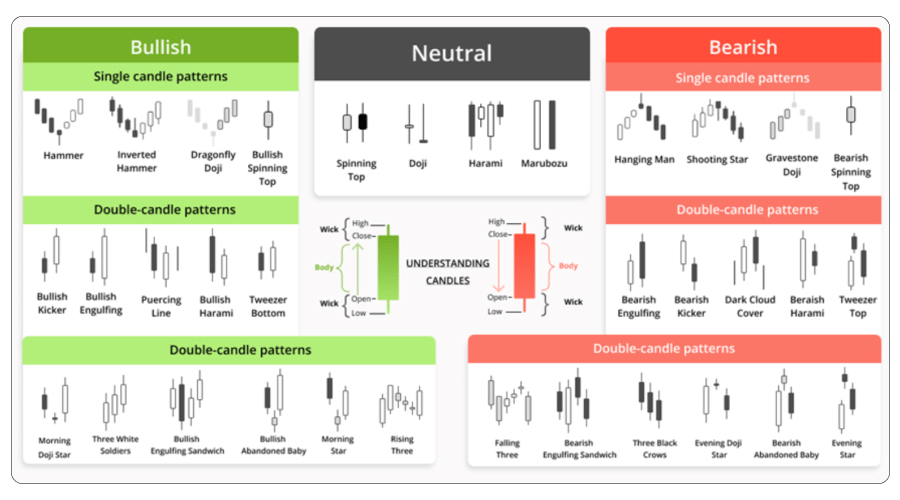
The crypto crash today has fundamentally altered technical price structures across multiple timeframes.
Key Support Levels Broken
Major supports failed under selling pressure, converting them into resistance bands.
Momentum Indicators Turn Bearish
On‑chain and exchange data now show negative momentum, with little divergence to suggest an imminent reversal.
Volatility Regimes Elevated
Higher volatility suggests that mean reversion may take longer, implying choppy and unpredictable ranges ahead.
How Correlation Across Assets Intensifies Crashes
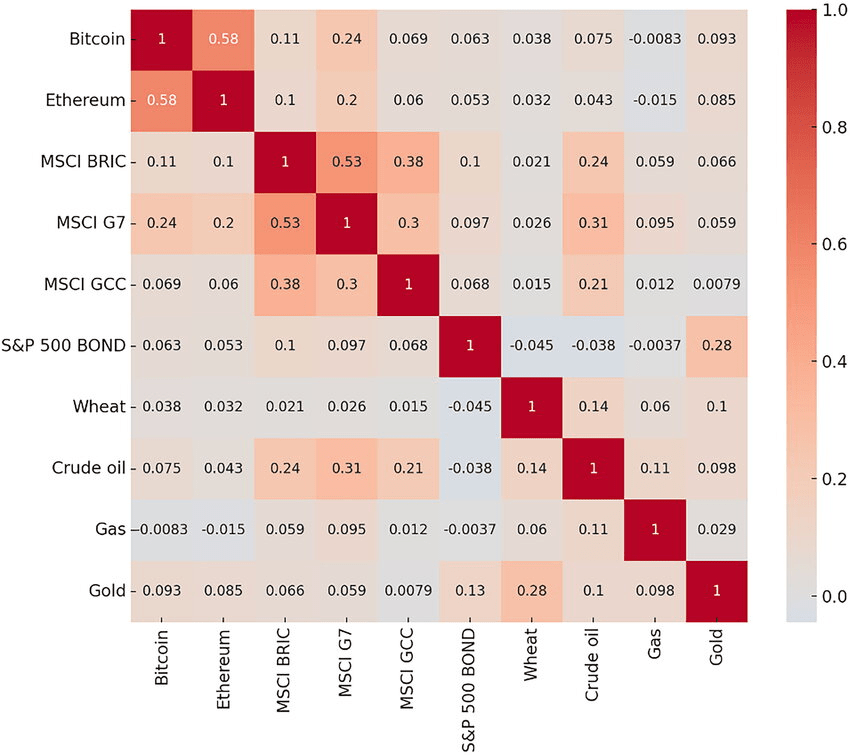
What makes the current crypto crash notable is how correlated digital assets have become with other markets.
Persistent Cross‑Asset Flow Patterns
Bitcoin’s price moves now often mirror swings in equities and commodities during stress events.
Reduced Decoupling Benefits
Previous assumptions that crypto could decouple from traditional markets are being tested as stress regimes tighten.
Risk‑Off Dominance
When broader markets enter risk‑off mode, capital often rushes toward liquidity rather than defensiveness, impacting both crypto and safe‑haven assets.
Short‑Term Scenarios for Crypto Markets
In the aftermath of the crypto crash today, market participants face a range of possible paths.
Scenario 1: Stabilization Around Key Levels
If buyers defend current floors, prices may consolidate before attempting a rally. This requires sustained demand and reduced forced selling.
Scenario 2: Continued Decline and Deeper Retracement
Failing to hold immediate support could open the door to deeper corrections and heightened volatility.
Scenario 3: Structural Reset and Risk Rebalancing
A prolonged period of weakness may force institutions and traders to reassess leverage norms and risk models.
Institutional Stress Tests and Capital Repositioning
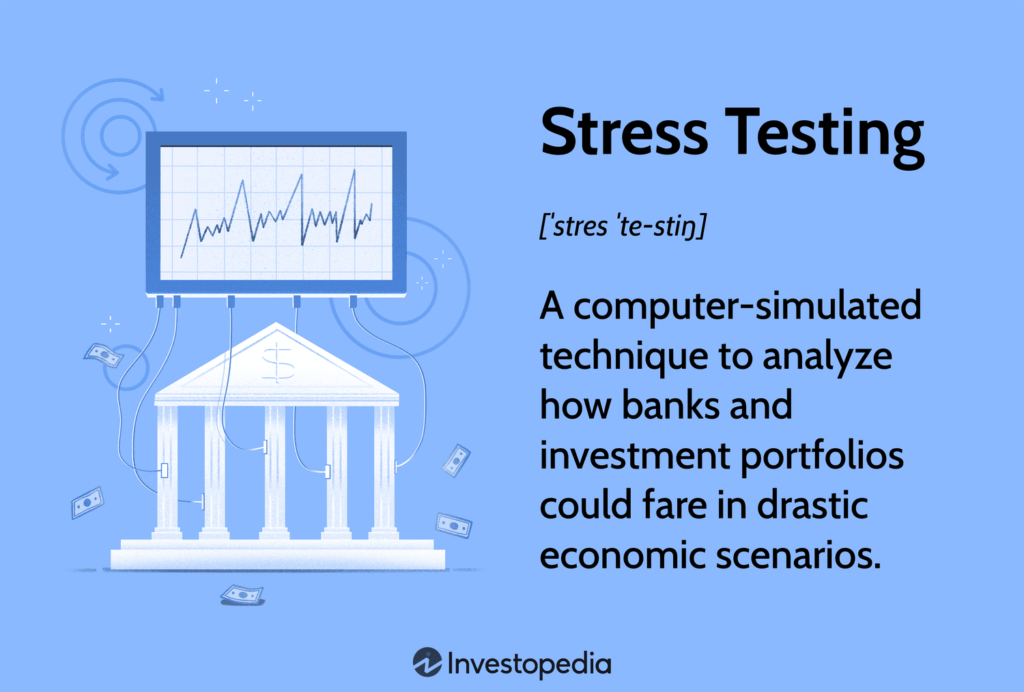
As the crypto crash today unfolds, institutional players are shifting from growth narratives to capital preservation. Risk committees are reassessing exposure limits, margin buffers, and liquidity assumptions that were calibrated during calmer market phases.
Repricing of Risk Models
Volatility spikes force rapid recalibration of VAR models. Assets once treated as high-growth allocations are being reclassified as liquidity-sensitive risk instruments.
Funding Conditions Tighten
With prices falling, access to cheap leverage dries up. This constrains market-making activity and reduces the depth required to stabilize prices after sharp moves.
Portfolio Rebalancing Accelerates
Institutions rotate toward cash and short-duration instruments, increasing selling pressure on crypto assets already under stress.
The Role of Options and Hedging Flows
Options markets have become a critical battlefield during the crypto crashing phase.
Surge in Protective Puts
Demand for downside protection has surged as traders hedge against further declines. This activity reinforces bearish momentum by pressuring implied volatility higher.
Dealer Hedging Effects
As options dealers hedge their exposure, they often sell spot or futures, unintentionally amplifying downside moves during fast selloffs.
Skew Signals Defensive Positioning
A widening volatility skew reflects fear-driven positioning rather than speculative enthusiasm.
Comparing This Crash With Prior Cycles
Historical context helps frame the significance of the current crypto crash today.
| Cycle Phase | Market Behavior | Key Driver |
| 2018 Crypto Winter | Prolonged drawdown, low liquidity | ICO collapse |
| 2020 COVID Shock | Sharp drop, rapid recovery | Global liquidity injections |
| 2022 Deleveraging | Exchange failures, trust erosion | Systemic leverage |
| Current Crash | Liquidations + cross‑asset correlation | Risk‑off + leverage unwind |
While the names and triggers differ, the pattern of leverage, optimism, and forced unwinds remains consistent.
Retail vs Institutional Behavior Gap
One striking feature of crypto crashing markets is the divergence between retail and institutional behavior.
Retail Capitulation
Smaller holders react quickly to drawdowns, locking in losses and reducing exposure as fear dominates decision-making.
Institutional Patience
Large funds often wait for liquidity events, accumulating positions slowly once forced selling subsides.
Information Asymmetry
Institutions benefit from better risk analytics, allowing them to act counter‑cyclically when retail sentiment collapses.
Why Bitcoin Acts as a Liquidity Valve
The crypto crash today reinforces bitcoin’s role as a liquidity source rather than a crisis hedge.
24/7 Market Dynamics
Bitcoin trades continuously, making it the first asset sold when global panic emerges outside traditional market hours.
Dollar Demand Dominance
During stress, capital flows toward the U.S. dollar, not alternative stores of value. Bitcoin becomes a funding mechanism for that shift.
Narrative vs Behavior
Despite long‑term narratives, real‑world behavior during crises reveals how participants actually treat the asset.
Near‑Term Market Outlook After the Crash
Looking ahead, several indicators will shape the next phase after crypto crashing conditions.
- Stabilization of liquidation metrics
- Decline in funding rate negativity
- Compression of implied volatility
- Return of bid depth across major exchanges
Without these signals, rebounds may remain short‑lived and vulnerable to renewed selling.
Strategic Implications for Market Participants
Periods like the crypto crash today reward discipline over conviction.
- Reduce reliance on leverage
- Prioritize liquidity over narratives
- Monitor cross‑asset correlations closely
- Prepare for extended volatility rather than quick recoveries
Markets often overshoot in both directions. The challenge lies in surviving the downside long enough to benefit from eventual normalization.
Bigger Picture: Reset, Not Collapse
While the headlines surrounding crypto crashing paint a grim picture, this phase may represent a reset rather than an end. Excess leverage, speculative excess, and fragile structures are being stress-tested in real time.
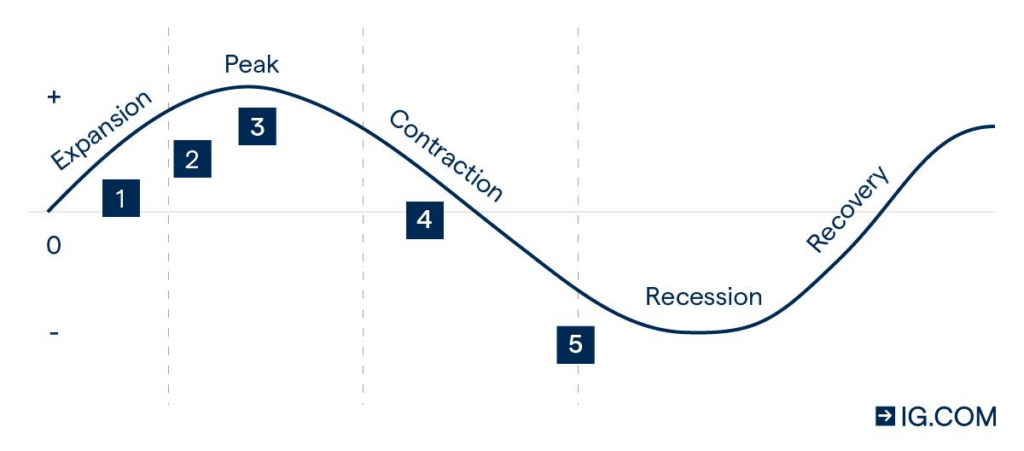
History suggests that such moments, while painful, lay the groundwork for more sustainable market structures. The depth and duration of the downturn remain uncertain, but the lesson is clear: liquidity, not belief, governs markets when fear takes control.